
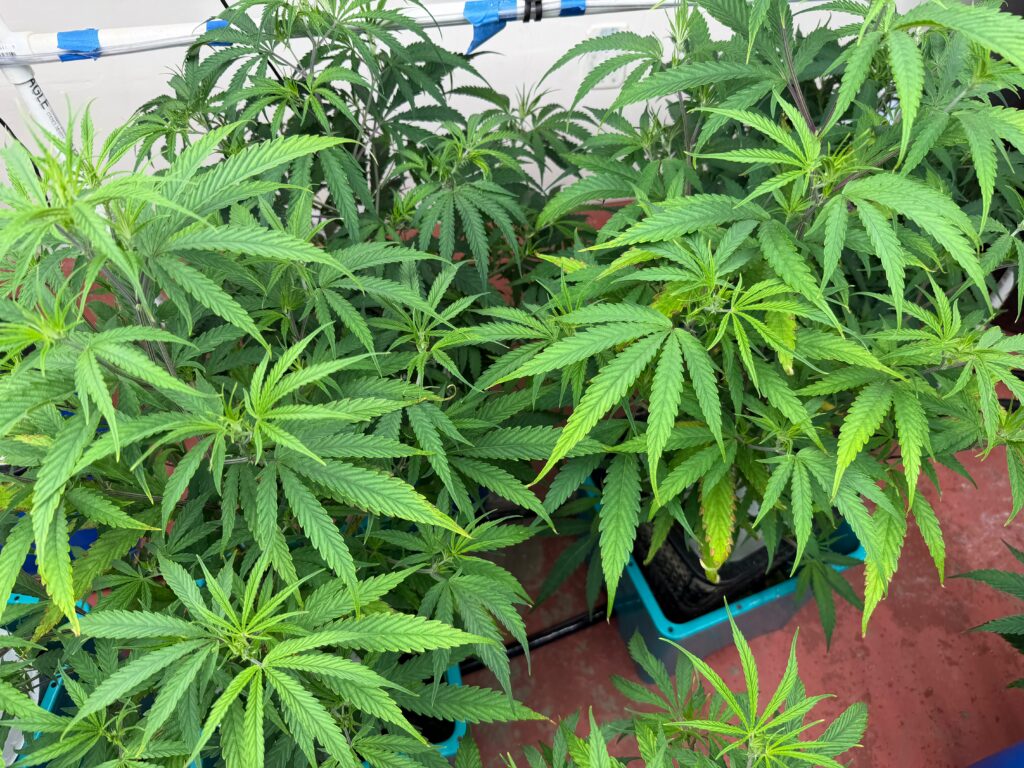
Plants Need To Breathe Too
Inline exhaust fans, oscillating fans, ducting, and carbon filters all play important roles in cannabis cultivation. Read how to control heat, humidity, and odors while choosing the right ventilation equipment for your grow tent.
Why Ventilation Is Essential for Healthy Cannabis Plants

When setting up a cannabis grow tent, most growers immediately think about lighting, soil, nutrients, and watering. There is another essential ingredient that often receives less attention, air.
Cannabis plants need more than light and water to thrive. They also require an environment where air moves continuously, heat does not accumulate, humidity remains controlled, and fresh carbon dioxide is available for photosynthesis. Without adequate ventilation, even a well equipped grow tent can develop problems.
Excessive heat can interfere with normal plant growth. Trapped moisture can encourage fungal diseases. Stagnant air around leaves can interfere with efficient gas exchange. And during flowering, cannabis plants can release strong odors that spread beyond the growing area.
A properly designed ventilation system helps address all these concerns. However, not every fan performs the same function.
An exhaust fan replaces air. An oscillating fan moves air. Ducting carries air. And an activated carbon filter removes many of the compounds responsible for cannabis odors. Understanding how these components work together is the key to building an efficient grow tent.
Inline Exhaust Fans: The Heart of Grow Tent Ventilation

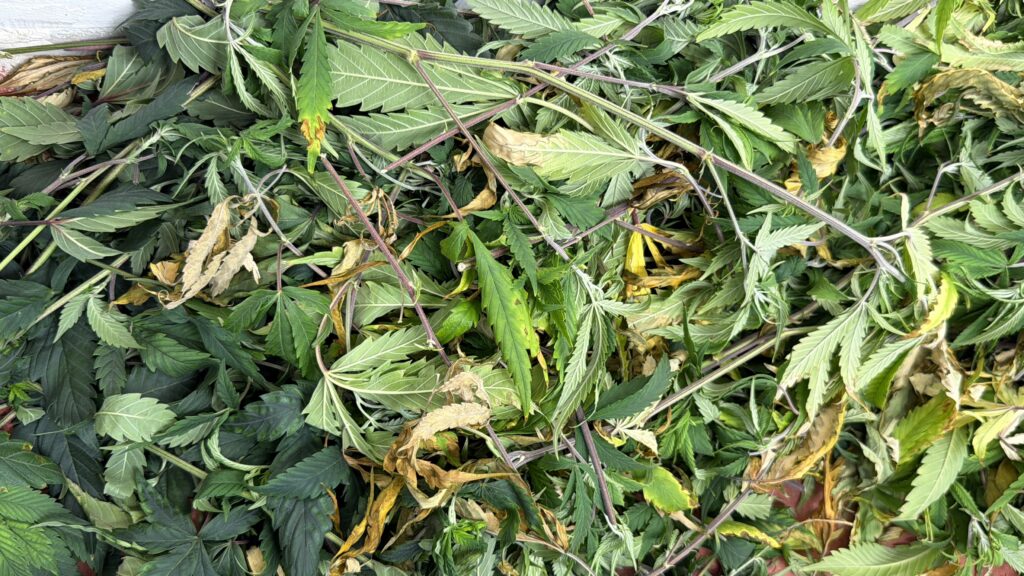
Start with the Heart
Inline exhaust fans are usually the most important mechanical component of a grow tent ventilation system. These fans pull warm, humid air out of the tent and swift it through ducting into an appropriate exhaust location.
As air leaves the tent, replacement air enters through intake openings. This creates a continuous exchange between the tent and its surrounding environment.
The University of Massachusetts Extension explains that exhaust ventilation removes heated air and creates a slight pressure difference that draws replacement air into the growing area.
Although university greenhouse research generally involves much larger facilities, the same basic principles apply to small grow tents.
Why exhaust fans matter
Grow lights, electrical equipment, and the plants themselves influence conditions inside the tent. Even energy efficient LEDs produce heat. Meanwhile, cannabis plants release water vapor through transpiration.
Without adequate air exchange, heat and moisture can accumulate. An exhaust fan helps remove these excesses while replenishing carbon dioxide that plants consume during photosynthesis.
Types of inline fans
Axial fans use propeller style blades to move air along the direction of the fan’s shaft. They can work well in low resistance applications but may lose substantial airflow when connected to restrictive filters or long ducting.
Mixed flow fans combine characteristics of axial and centrifugal designs. They are common in smaller ventilation systems because they can provide a useful balance of airflow, pressure capability, size, and noise.
Centrifugal fans use an impeller to move air and generally perform better against substantial airflow resistance. They are particularly useful where filters, bends, or long duct runs create higher static pressure.
For most small grow tents, a quality mixed flow or centrifugal inline fan with adjustable speed is a practical choice.
What to look for
Do not choose a fan based only on its advertised maximum airflow. Look for its cubic feet per minute rating, or CFM, at a realistic operating pressure.
A fan advertised at 200 CFM may move considerably less air once a carbon filter, ducting, and bends are connected. Adjustable speed models are particularly useful because the amount of ventilation required changes with lighting conditions, humidity, and plant size.
Oscillating Fans: Keeping Air Moving Around Cannabis Leaves

An oscillating fan serves a different purpose from an exhaust fan. Rather than replacing the air inside the tent, it circulates existing air around the plants. This is important because leaves are surrounded by a thin layer of relatively still air known as the boundary layer.
The boundary layer influences the exchange of water vapor, carbon dioxide, and heat between the leaf and the surrounding environment. When air movement is insufficient, moisture can accumulate around leaf surfaces and inside dense plant canopies. Gentle circulation disrupts this stagnant layer and improves mixing between the canopy and the rest of the growing environment.
Why circulation matters
Research and university greenhouse guidance identify several benefits of properly managed air movement. These include more uniform temperature, reduced moisture accumulation near leaves, and improved gas exchange.
Circulation can also reduce localized conditions favorable to condensation and certain fungal diseases. However, airflow alone cannot guarantee disease prevention. Pathogen presence, humidity, plant density, temperature, and sanitation all influence disease development.
Oscillating versus stationary fans
Oscillating fans distribute airflow over a wider area by moving back and forth. Stationary fans direct air toward a fixed location.
In a small tent, an oscillating fan can help reduce the likelihood that one plant receives a constant concentrated stream of air. The goal is gentle, distributed circulation rather than strong wind.
Leaves should move slightly, not whip continuously. Excessively strong airflow can contribute to water stress, mechanical damage, and uneven drying of plant surfaces.
Where should circulation fans go?
Position fans so air moves around and through the canopy without continuously blasting a single plant.
In larger or denser tents, circulation at more than one canopy height may improve uniformity. Avoid placing electrical fans where irrigation water can contact their motors or connections. Most importantly, remember that circulation fans do not replace an exhaust system. A tent can have excellent internal air movement while still accumulating heat, humidity, and depleted carbon dioxide.
Ducting: The Equipment That Connects Everything

Ducting carries air from the grow tent to its exhaust destination. It may seem like a simple accessory, but duct design can significantly influence ventilation performance.
Air moving through ducting encounters resistance. This resistance increases with duct length, restrictive fittings, sharp bends, and rough interior surfaces. The resulting pressure loss reduces the amount of air a fan can deliver.
Flexible versus rigid ducting
Flexible ducting is inexpensive, easy to install, and convenient for grow tents.
However, its ribbed interior and tendency to sag or bend can increase resistance. Rigid ducting generally provides a smoother airflow path and may perform better in longer installations.
Its disadvantages include more complicated installation and less flexibility when equipment needs to be moved. For many small tents, short, properly installed flexible ducting is sufficient.
How to improve duct performance
Keep duct runs as short and straight as practical. Avoid crushing or sharply bending flexible ducting. Match the duct diameter to the fan’s outlet and the carbon filter’s connection. Use properly fitted clamps and sealed joints to prevent air leaks.
Where possible, avoid reducing duct diameter because smaller ducting can increase air velocity, resistance, and noise. A larger fan connected to poorly installed ducting may perform worse than a smaller, correctly matched system.
Activated Carbon Filters: How Cannabis Odor Control Works


Make The Air Flow Through
Cannabis plants release volatile organic compounds, or VOCs, including terpenes that contribute to their characteristic aromas.
During flowering, these odors may become particularly noticeable. Activated carbon filters are commonly used to reduce odors in indoor cannabis cultivation.
Activated carbon contains a highly porous structure with a large internal surface area. As contaminated air passes through the filter, certain gas molecules adhere to the carbon surface through a process called adsorption.
Adsorption differs from absorption. Rather than simply soaking into the material, molecules attach to available surfaces within the carbon.
What carbon filters can remove
Activated carbon filters can reduce many odor-producing volatile compounds, including some cannabis related terpenes.
However, removal efficiency depends on the compounds involved, carbon characteristics, airflow, contact time, humidity, and filter condition. No ordinary grow tent carbon filter should be assumed to eliminate every odor or airborne contaminant.
Why airflow matters
A carbon filter needs sufficient contact time between the air and the activated carbon.
If air passes through too quickly, odor removal may become less effective. This is why carbon filters have airflow ratings. A filter should be selected to match the operating airflow of the exhaust fan, not simply the diameter of its connection.
Does humidity affect carbon filters?
The short answer is yes.
Water vapor can compete with certain contaminants for adsorption sites, and high humidity may reduce the effectiveness of some activated carbon systems. The degree of interference depends on the carbon and the compounds being removed. This creates another reason to control excessive humidity inside the grow tent.
When should carbon filters be replaced?
There is no universal replacement schedule. Filter life depends on how much contaminated air passes through the system, the concentration of odor compounds, operating humidity, and the amount and quality of activated carbon.
A noticeable increase in odor despite adequate airflow may indicate that the filter is approaching the end of its useful life. Also check for loose connections, air leaks, and clogged prefilters before assuming the carbon itself has failed.
How Ventilation Controls Grow Tent Temperature
Gnome’s here to Help
Grow lights convert electrical energy into light and heat, and nearly all the energy they consume ultimately contributes to heat within the surrounding environment. A ventilation system helps remove heat by replacing warm tent air with cooler incoming air.
However, exhaust ventilation cannot reliably cool the tent below the temperature of the incoming air. If the room surrounding the tent is already excessively warm, increasing exhaust airflow may not solve the problem. Additional room cooling may be necessary.
The effectiveness of ventilation depends on both the volume of air exchanged and the temperature difference between the tent and the incoming air. A larger fan can remove more heat, but only when sufficient replacement air is available and the exhaust system is not excessively restrictive.
This is why the grow tent and the room surrounding it should be treated as one connected environmental system.
Humidity, Transpiration, and the Risk of Mold

Cannabis plants continuously release water vapor through their leaves. This process is called transpiration. As plants grow larger, their total leaf area generally increases, potentially raising the amount of moisture released into the tent.
If the air is not exchanged or dehumidified sufficiently, relative humidity may rise. High humidity becomes particularly concerning when dense flowers and leaves restrict airflow.
Under suitable conditions, fungal pathogens such as Botrytis cinerea, associated with gray mold and bud rot, can develop.
Understanding vapor pressure deficit
Researchers and professional horticulturists increasingly use vapor pressure deficit, or VPD, to describe the relationship between air moisture and plant water loss.
VPD reflects the difference between the amount of water vapor the air could hold at saturation and the amount currently present, with leaf temperature also important when calculating leaf to air VPD.
When VPD is low, the air is relatively moist and transpiration may be reduced. When VPD is high, the air has greater drying potential, potentially increasing plant water demand. Neither extreme is automatically beneficial.
The appropriate VPD depends on crop characteristics, growth stage, lighting, and environmental conditions. Ventilation helps influence VPD by exchanging air, but a humidifier, dehumidifier, heater, or air conditioner may also be necessary.
Can fans prevent mold?
Fans can reduce stagnant pockets of humid air, but they cannot sterilize a growing environment.
If incoming air is humid, ventilation may provide limited moisture removal.
In some conditions, bringing in outside air can even increase the moisture burden.
Effective humidity management requires monitoring the actual growing environment rather than assuming that more fan speed always means drier air.
Accounting for airflow resistance
A common shortcut is to add a percentage allowance for equipment resistance. However, a more reliable approach is to use the manufacturer’s fan-performance curve. The curve shows how much air the fan can move at different static pressures.
University of Florida greenhouse engineering guidance emphasizes selecting fans according to their performance against actual system resistance rather than free-air capacity alone.
A carbon filter and ducting can substantially change the operating point. For a preliminary equipment comparison, a grower might consider a fan with additional capacity and adjustable speed, then confirm that the selected fan can deliver the required airflow through the complete system.
Should Grow Tents Have Negative Air Pressure?
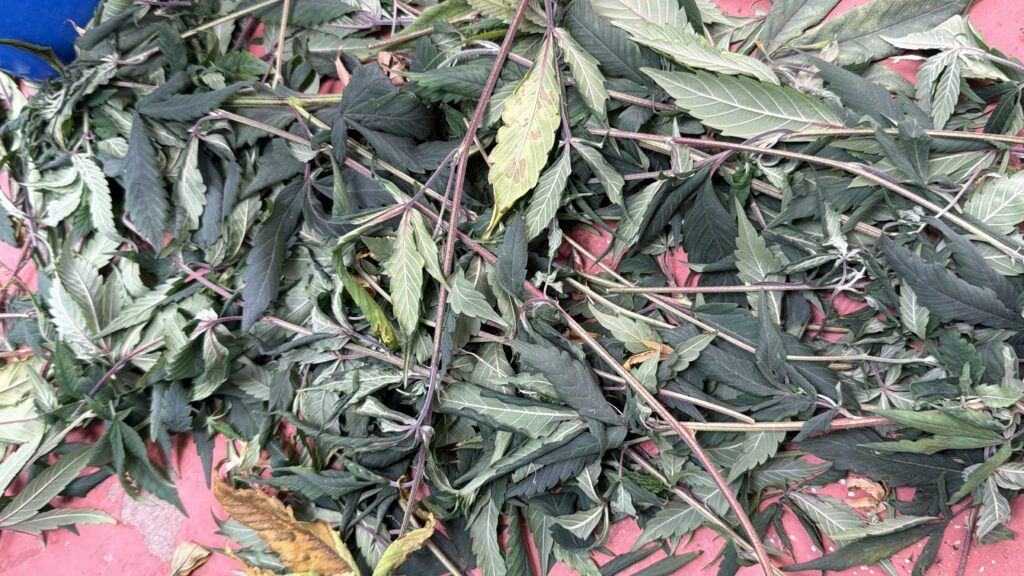
More Leaves to Cut The Better
Many growers use a slightly negative pressure ventilation arrangement.
This means the exhaust fan removes air faster than it enters through any powered intake, creating a small pressure difference. As a result, the tent walls may pull inward slightly.
This helps encourage air to enter through designated intake openings rather than allowing odor bearing air to escape through uncontrolled gaps. When paired with a properly sealed carbon filter exhaust system, slight negative pressure can improve odor containment.
However, excessive negative pressure can restrict intake airflow and reduce exhaust-fan performance. The objective is controlled airflow, not maximum suction.
Where Should the Exhaust Fan and Carbon Filter Go?

Find the Right Place
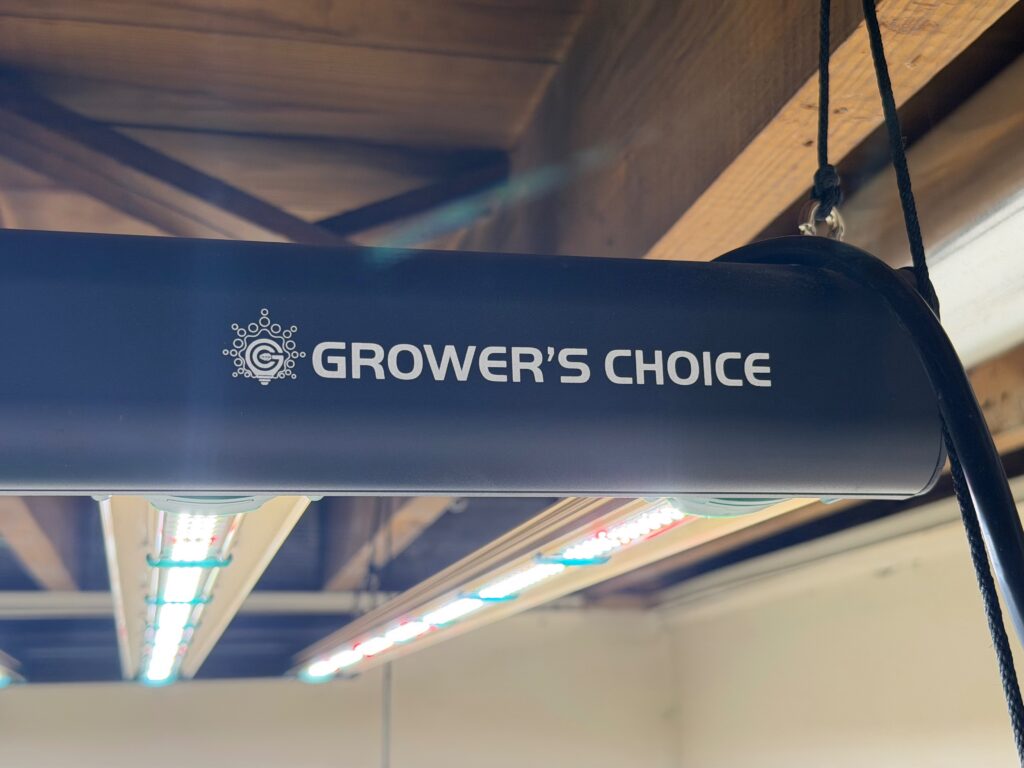
A common grow tent arrangement places the carbon filter near the top of the tent, where warm air tends to accumulate. The inline fan draws air through the filter and sends it through ducting to the exhaust location.
Fresh replacement air enters through a lower intake opening. Internal circulation fans help mix the air and reduce stagnant pockets around the canopy. This configuration combines odor filtration, air exchange, and internal circulation.
However, warm air stratification is only one consideration. The most effective arrangement also depends on the location of the grow lights, intake openings, plants, and available duct routes. Exhausting air into the same small, closed room without adequate room ventilation can cause heat and humidity to build up outside the tent and eventually return through the intake.
What Does a Complete Grow Tent Ventilation System Cost?
Is Cost A Weighing Factor?
The total cost depends on tent size, equipment quality, fan capacity, noise level, and automation. A basic system generally includes an inline exhaust fan, suitable ducting, clamps, a carbon filter when odor control is needed, and at least one circulation fan.
More advanced systems may add temperature and humidity sensors, variable speed controllers, automated environmental controls, and separate dehumidification. Rather than purchasing the most powerful equipment available, growers should prioritize a system that is correctly sized and adjustable.
Oversized equipment may increase noise, electricity use, and unwanted removal of heated or conditioned air. Undersized equipment may fail to control heat and humidity during demanding conditions.
Common Ventilation Mistakes

Several installation mistakes can reduce the effectiveness of even expensive equipment. Using only oscillating fans. Circulation does not provide adequate fresh air exchange. Buying a fan based only on advertised maximum CFM. Actual airflow can decline substantially after filters and ducting are connected.
Using excessively long duct runs. Additional length and sharp bends increase resistance. Ignoring intake openings. Exhaust fans need sufficient replacement air to operate effectively.
Assuming carbon filters remove all odors. Filtration effectiveness varies, and air leaks can bypass the carbon entirely. Ignoring the surrounding room. Ventilation cannot solve excessive heat or humidity if incoming air is already unsuitable. Failing to monitor conditions. A thermometer and hygrometer are essential for determining whether the system is actually working.
The Bottom Line: Healthy Cannabis Plants Need Healthy Air
Let’s Get Them to the Jars
Lighting, water, and nutrients are essential to cannabis cultivation, but ventilation is equally important to maintaining a controlled growing environment. Inline exhaust fans remove heat, moisture, and stale air.
Oscillating fans distribute air through the canopy. Ducting carries exhaust air away from the growing space. Activated carbon filters reduce many of the compounds responsible for cannabis odors.
Together, these components can help maintain more uniform temperature, humidity, and gas exchange while reducing stagnant conditions favorable to certain plant diseases. Scientific and university horticultural guidance consistently supports the importance of proper ventilation and circulation in controlled growing environments.
The precise equipment required depends on the size of the tent, lighting system, plant density, surrounding room conditions, and airflow resistance.
The best ventilation system is not necessarily the biggest or most expensive. It is the one that maintains stable growing conditions, delivers sufficient air exchange, and operates efficiently without creating unnecessary noise or energy costs. Before purchasing another grow light or nutrient supplement, growers should make sure their plants are getting something even more fundamental, fresh, properly managed air. A person should always want to keep their environment safe for their plants. Check this out!