

Step 1 – Start With Good Genetics
Every successful grow begins with the plant itself. Cannabis can be started from seed (bought from above) or from a clone taken from a plant with a strong root system. Genetics influence characteristics such as plant size, flowering time, cannabinoid profile, aroma, and resistance to stress or disease.
Step 2 – Choose Your Growing Method
Next, you choose whether your grow method is going to be soil, a soilless medium, or hydroponically. Beginners usually stick with soil because it buffers changes in water and nutrients and is the most forgiving. Hydroponic systems offer greater control but require closer monitoring. Soilless media fall somewhere in between.
Step 3 – Give the Plant a Healthy Environment
Cannabis needs light, air, water, nutrients, and enough room for its roots to develop. Indoor growers must provide artificial lighting and adequate air circulation, while outdoor growers depend largely on sunlight and seasonal conditions. In either case, excessive heat, humidity, poor ventilation, or overwatering can create problems. They both have the same pros and cons, that’s why the most important part is watching your growing environment.
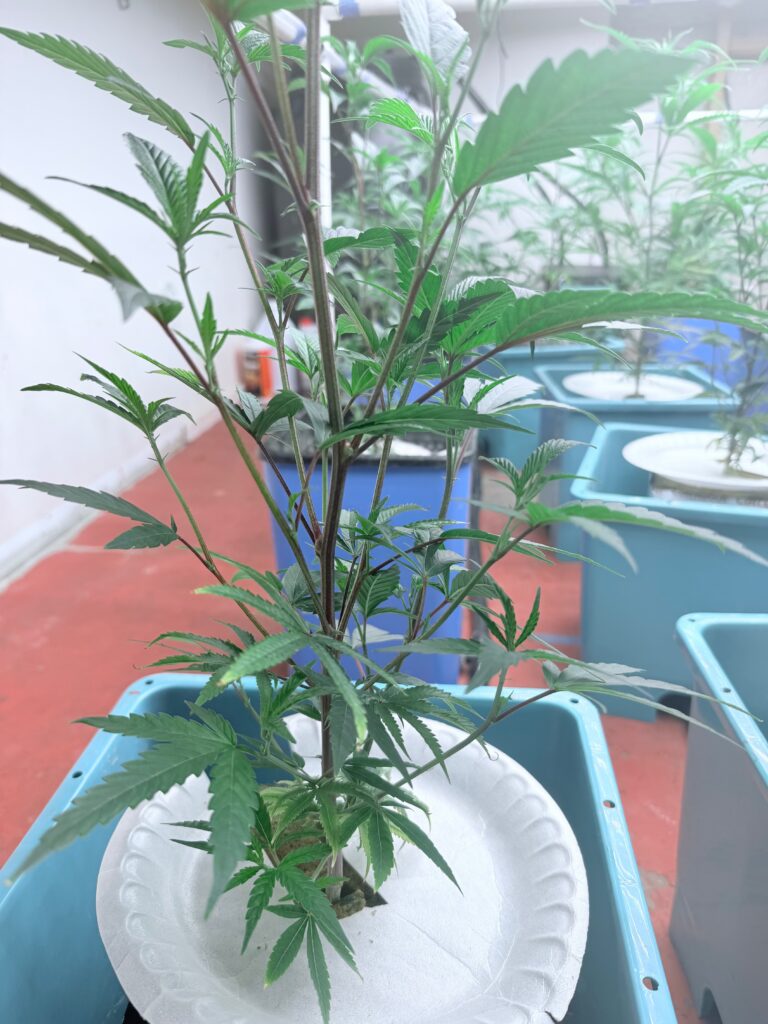
Healthy Environment = Healthy Green Leaves
Step 4 – Allow Vegetative Growth
After a young plant becomes established, it enters the vegetative stage. During this period, the plant focuses primarily on producing stems, branches, leaves, and roots. This is the stage when growers watch for signs of stress, pests, discoloration, or poor growth. Healthy plants generally develop vigorous green foliage and steady new growth. This is also the stage where you can look for seeds in your grow.
Step 5 – Flowering Begins
The flowering stage is when cannabis plants begin producing the flowers commonly that we call buds. Outdoor plants naturally respond to seasonal changes in daylight. Indoor growers control the plant’s light environment to initiate flowering. During this stage, plants should be watched carefully for disease, mold, pests, and overall flower development. A reminder to always keep an eye on your grow, especially during Steps 4 and 5.
Step 6 – Know When the Plant Is Mature
Cannabis should not be harvested simply because flowers have appeared. Growers look for signs that the flowers have reached maturity, including changes in the flower structures and resin producing trichomes. Harvest timing can influence the final characteristics of the flower.
Step 7 – Harvest, Dry, and Cure
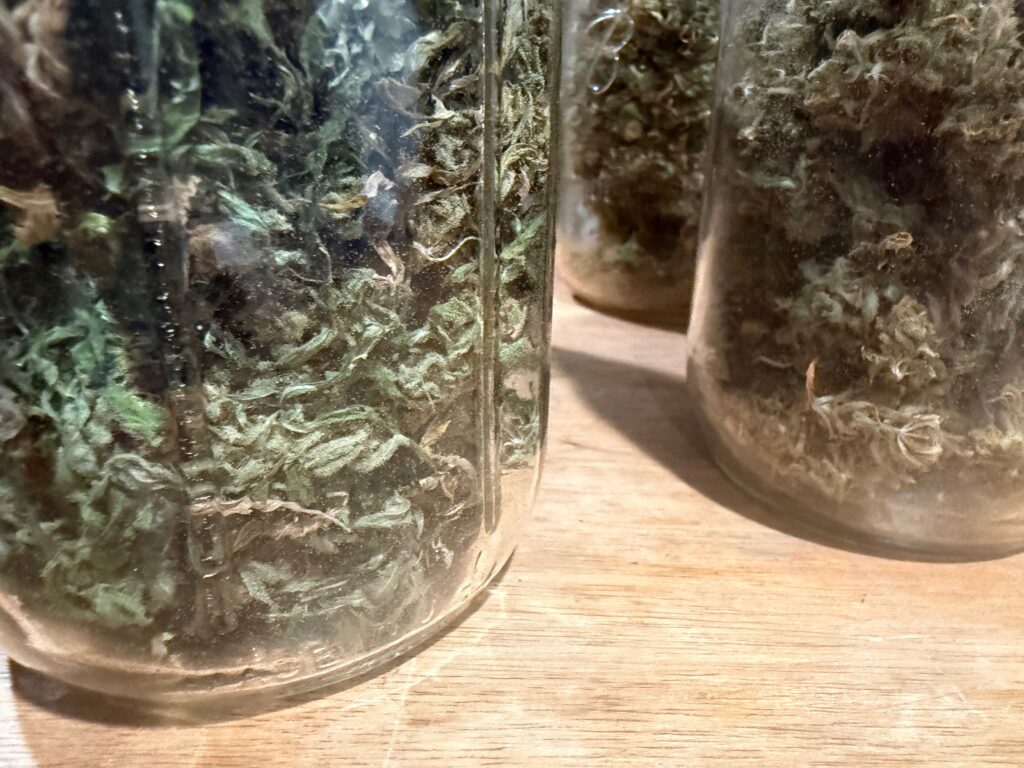
After harvest, cannabis must be dried properly before storage. Drying removes excess moisture, while curing allows moisture to equalize within the flower and permits additional chemical and aromatic changes to occur.
Poor drying or curing can encourage mold, so cleanliness and careful observation are important.
The most important lesson for beginners is simple. Healthy cannabis comes from consistency, not constant intervention. Good genetics, a suitable growing environment, careful observation, and patience usually matter more than complicated techniques. Just because you keep your eye on it doesn’t mean that you’re always messing with your flower.
If you want more in-depth details on each step, visit www.sunnycultivation.com. Find an article that matches the step you are at in your growing process. To start your grow, you can start looking at the website below for what you need.
Get Your Seeds