
There’s More Than One Way

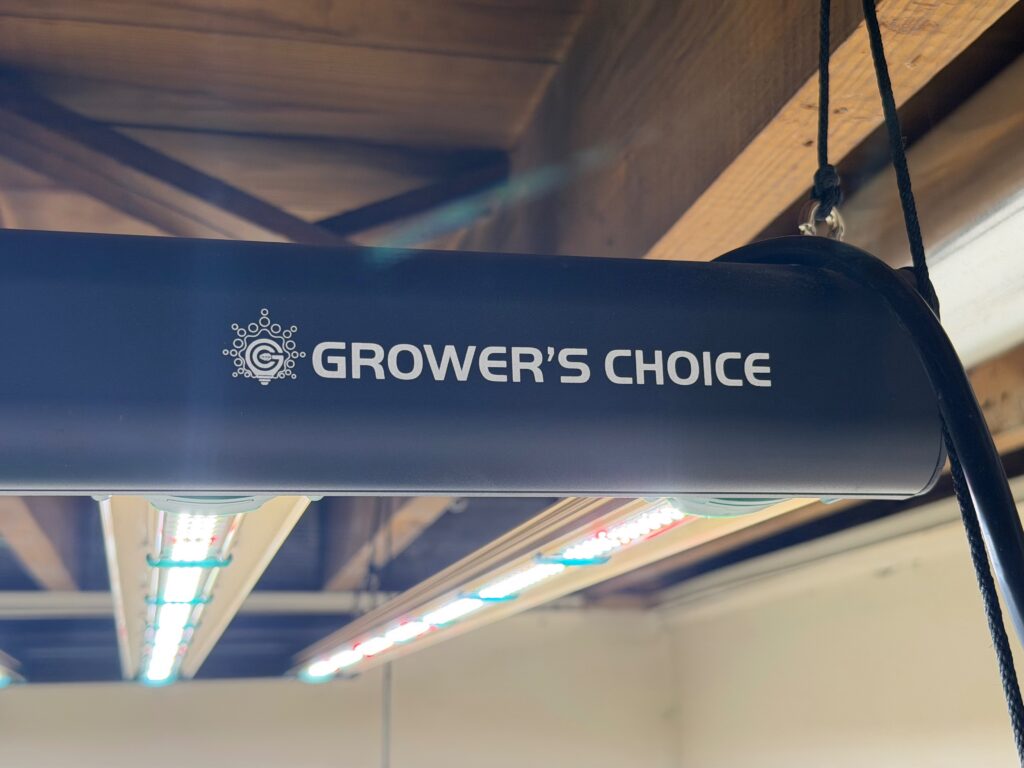
There is no single way to grow marijuana. Cannabis can be grown outdoors under the sun, inside under artificial lights, or somewhere in between inside a greenhouse. The plants can also be grown in traditional soil, coconut fiber, water based hydroponic systems, and even aeroponic systems that suspend the roots in air.
Each method has advantages and disadvantages. The best choice depends on available space, climate, cost, experience, and how much control a grower wants over their plant’s environment.
Growing Cannabis in Soil
Soil is the traditional and probably easiest method for beginners.
Plants are grown in containers or directly in the ground, where their roots obtain water and nutrients from the growing medium. Many growers use commercially prepared potting soil, while others prefer living soil containing compost and microorganisms.
Soil tends to be forgiving because it can buffer changes in water and nutrients. The downside is that problems developing around the roots may take longer to correct than in some soilless systems.
A recent study of home cannabis growers found that living soil was by far the most commonly reported growing medium, while a much smaller percentage used hydroponics.
Coco Coir: Somewhere Between Soil and Hydro
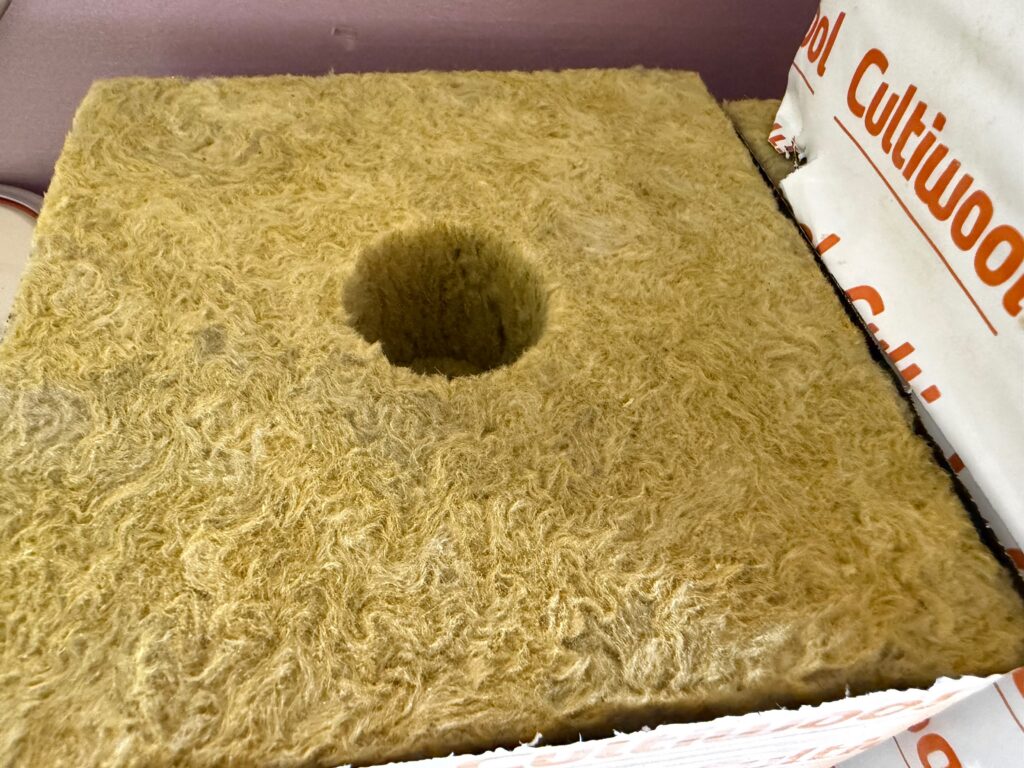
You Can Feel This Picture
Coco coir is made from coconut husks. It looks somewhat like soil but behaves more like a hydroponic growing medium. Besides seeing the difference, you can feel it too.
Coir holds moisture while also allowing considerable air around the roots. Research describes coconut coir as having good water holding capacity, aeration, and resistance to decomposition.
Unlike nutrient rich soil, coco coir generally requires the grower to provide most of the plant’s nutrients.
Hydroponics
Hydroponic cannabis is grown without conventional soil. Instead, nutrients are supplied through water while the roots are supported by water, clay pellets, perlite, rockwool, or another inert medium.
There are several hydroponic designs, including deep water culture and drip systems.
The advantage is control. Growers can manage water and nutrients directly, and recirculating hydroponic systems can use water efficiently. Research reviewing cannabis cultivation has reported substantial potential water savings from hydroponic systems.
The tradeoff is complexity. Pumps, reservoirs, nutrient concentrations, and water chemistry require closer monitoring.
Aeroponics
Aeroponics takes soilless growing one step further. Instead of sitting in soil or water, the plant’s roots are suspended and periodically exposed to a nutrient containing mist. This gives the roots plenty of oxygen while delivering water and nutrients directly.
Aeroponics can provide very precise control. But it is also one of the more technically demanding growing systems because equipment failures can quickly affect exposed roots. If a pump or misting system stops working, exposed roots can dry rapidly, so growers need to respond quickly by manually misting the roots or temporarily placing them in an aerated nutrient solution.
Outdoor Growing

Outdoor growing uses natural sunlight and seasonal conditions.
It is generally the least energy intensive approach because it does not require powerful grow lights or extensive climate control equipment. Recent environmental research consistently finds outdoor cannabis cultivation has a much smaller energy and carbon footprint than fully indoor production.
The disadvantage in growing outdoors is control. Things such as, but not limited to, weather, pests, diseases, and temperature swings, all matter. Get a larger look at outdoor growing here! (LINK)
Greenhouse Growing
Putting Two Together
A greenhouse combines features of indoor and outdoor growing.
Plants receive natural sunlight while the structure provides protection from weather and allows greater control over temperature, humidity, ventilation, and sometimes supplemental lighting.
Research describes greenhouses as a hybrid approach, generally requiring considerably less energy than completely indoor cannabis cultivation while offering more environmental control than an open field. Read more about greenhouse growing here! (LINK)
Which Method Is Best?
There really isn’t one winner. Each grower has their own bias. Each grow may come out differently even if the same type of method is used each time.
Soil offers simplicity. This is the reason beginners usually go for it. Coco offers greater control. This is when the beginners start to take the step up. They would have to monitor their plant grow more closely. Hydroponics was next on the list and it offers precision. As we go down the list, aeroponics pushes that control even further. Outdoor growing takes advantage of free sunlight, while greenhouses attempt to combine sunlight with environmental protection.
Understanding those differences is the first step toward choosing the growing method that makes the most sense for your space, budget, climate, and experience. As you start your grow, check this out and it’ll help you decide what is best for you.
