
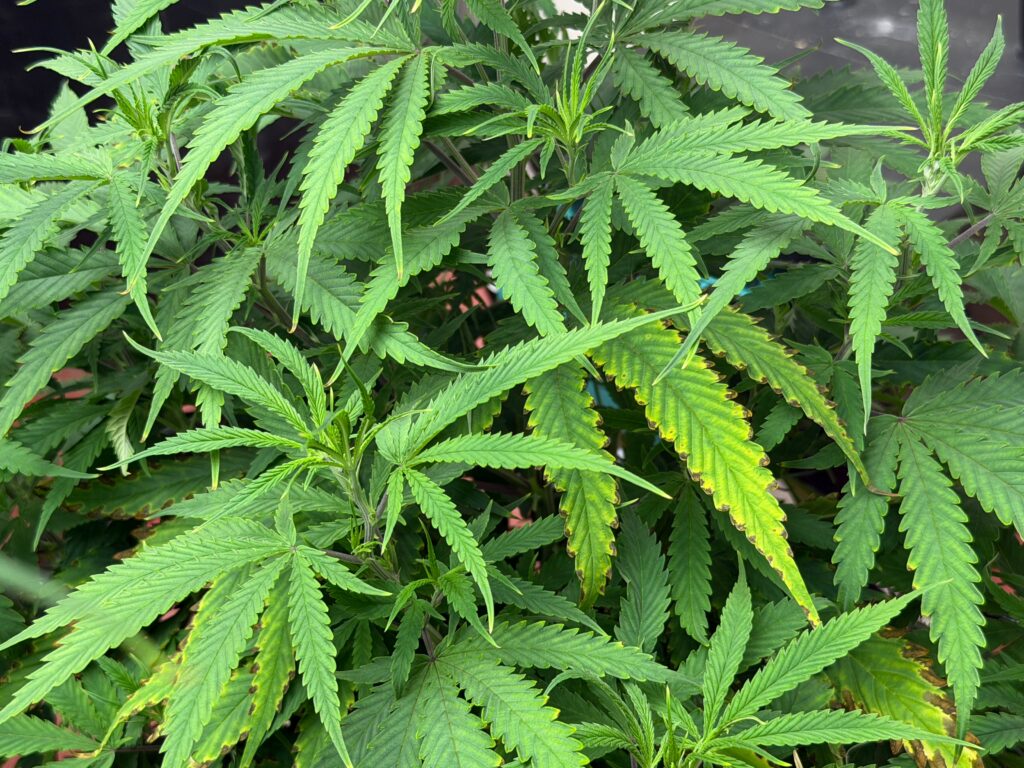
Is Nature The Way To Go?

Outdoor cannabis growing is the oldest and most natural cultivation method. Instead of relying on artificial grow lights and climate control equipment, the plant uses sunlight, seasonal temperature changes, and the natural day night cycle to develop.
The biggest advantage is cost. Sunlight is free. Outdoor growers generally do not need the powerful lighting, air conditioning, ventilation, and dehumidification systems required for a fully indoor grow. Research comparing cultivation systems consistently finds that outdoor cannabis has a much smaller energy footprint than indoor production. A 2026 review estimated greenhouse gas emissions from outdoor cultivation at roughly 60 to 110 kilograms of CO2 equivalent per kilogram of dried cannabis, compared with several thousand kilograms for some indoor systems.
Outdoor plants can also become quite large because they are not restricted by ceilings, grow tents, or artificial lighting coverage. When planted in the ground, their roots may have considerably more room to spread than plants growing in containers.
The tradeoff is control.
An indoor grower can adjust temperature, humidity, lighting, airflow, and watering. Outdoors, Mother Nature makes many of those decisions. Heavy rain can increase moisture around developing flowers, while excessive humidity can encourage mold and fungal problems. High winds can damage branches. Heat waves, cold nights, drought, insects, and other pests can all affect the crop.
Water is another important consideration. Outdoor cultivation may save enormous amounts of electricity, but it can still require substantial irrigation, particularly during hot weather and peak plant growth. Recent sustainability research has identified water use, fertilizer, and growing substrates as important environmental factors in outdoor cannabis production.
Timing Matters Outdoors

Most traditional cannabis plants are photoperiod plants, meaning flowering is triggered as the days become shorter and the uninterrupted nighttime period becomes longer.
That creates a natural growing season. Plants typically grow vegetatively during the longer days of spring and summer and begin flowering as daylight decreases later in the season. The exact timing depends on genetics, latitude, climate, and local conditions.
Unlike an indoor grow, where lighting can be manipulated to produce multiple cultivation cycles, outdoor growers are generally limited by the seasons. Research reviews note that outdoor production commonly permits only one or two harvests per year, depending on climate and genotype.
The Outdoor Advantage
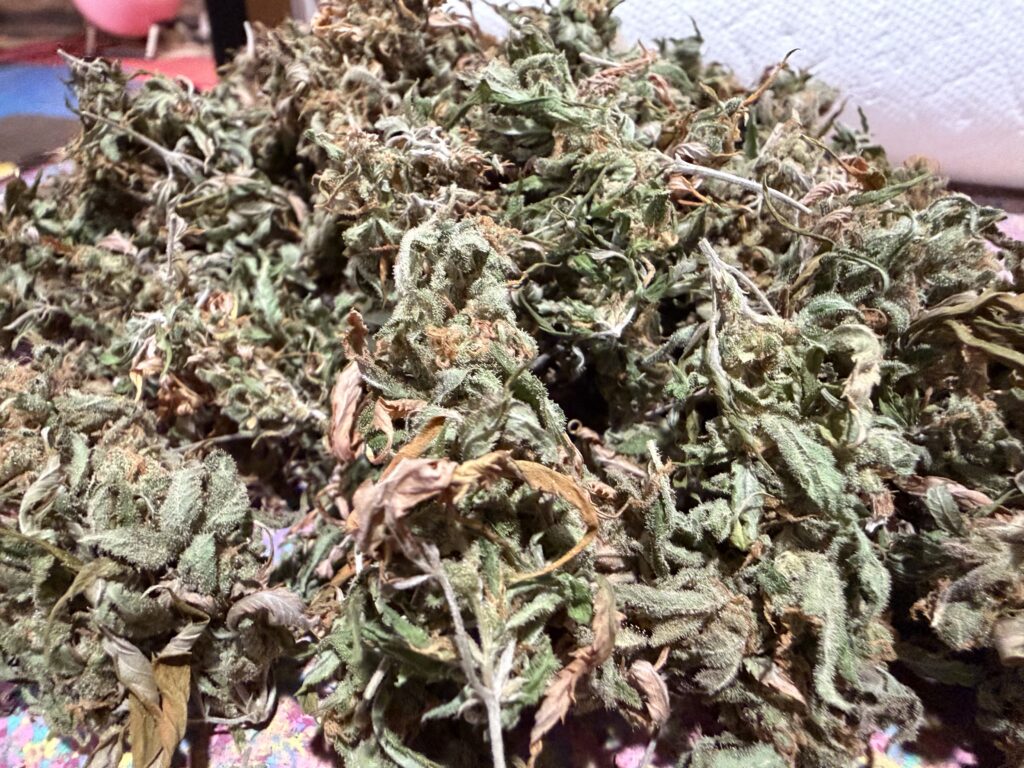
How Is It Gonna Look?
Outdoor growing gives cannabis something an indoor grow can only imitate, which is the full spectrum and intensity of natural sunlight. It can also dramatically reduce electricity use and production costs. The downside is that greater reliance on nature means greater exposure to unpredictable conditions.
That makes outdoor cultivation a tradeoff less equipment, lower energy use, and potentially larger plants. But, outdoor growers have less control over weather, pests, moisture, and the length of the growing season.
For growers with the right climate, adequate sunlight, and a secure legal growing location, outdoor cultivation can be one of the simplest and most energy efficient ways to grow cannabis. Start your grow today!
