Gene Breakthrough is Helping…

Scientists have created two remarkably complete maps of cannabis DNA. Their discovery could help breeders develop more consistent plants, better cannabinoid profiles, and improved cannabis varieties.
Scientists Are Unlocking the Secrets of Cannabis DNA

Trying to Fix the Holes…
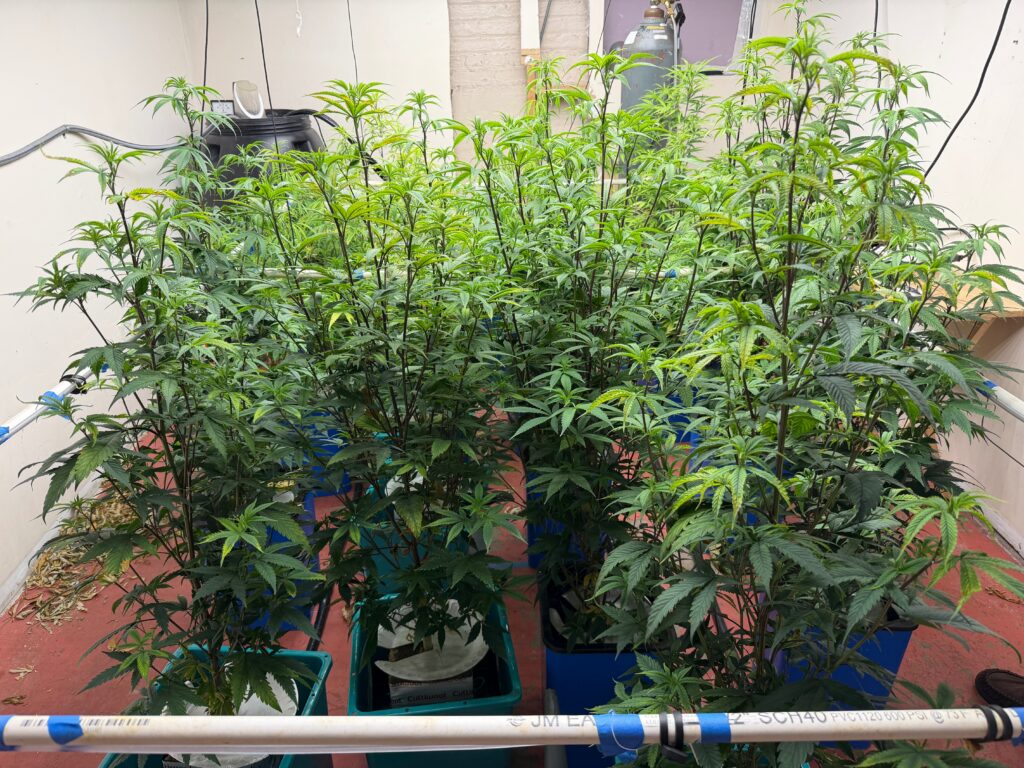
Ever wonder why two cannabis plants grown under the exact same conditions can turn out completely different?
One grows tall, another stays short. One produces more THC, while another is rich in CBD. Even plants from the same batch of seeds can have different aromas, flowering times, and yields.Much of the answer comes down to genetics.
On October 22, 2026, researchers led by scientists in China published an important study in Plant Biotechnology Journal. They created two exceptionally complete maps of cannabis DNA, giving scientists a clearer picture of the genes that influence how cannabis plants develop.
What Did Scientists Discover?

Every cannabis plant contains a genome, essentially an instruction manual written in DNA. That instruction manual helps determine the plant’s size, growth patterns, flowering characteristics, and ability to produce cannabinoids.
The problem is that cannabis DNA contains many repetitive sections, making it difficult for scientists to read and assemble accurately. Earlier genetic maps contained gaps and uncertainties.
The researchers used advanced DNA sequencing technology to create two gap free, haplotype phased genome assemblies from one CBD dominant cannabis plant. To simplify, they produced two highly detailed versions of the plant’s genetic blueprint, separating much of the genetic information inherited through its two chromosome sets.
These are not two newly developed cannabis strains. They are two scientific reference maps of one plant’s genome. That distinction is important because the research improves our understanding of cannabis genetics rather than introducing a new commercial product.
What Does This Have to Do With THC and CBD?
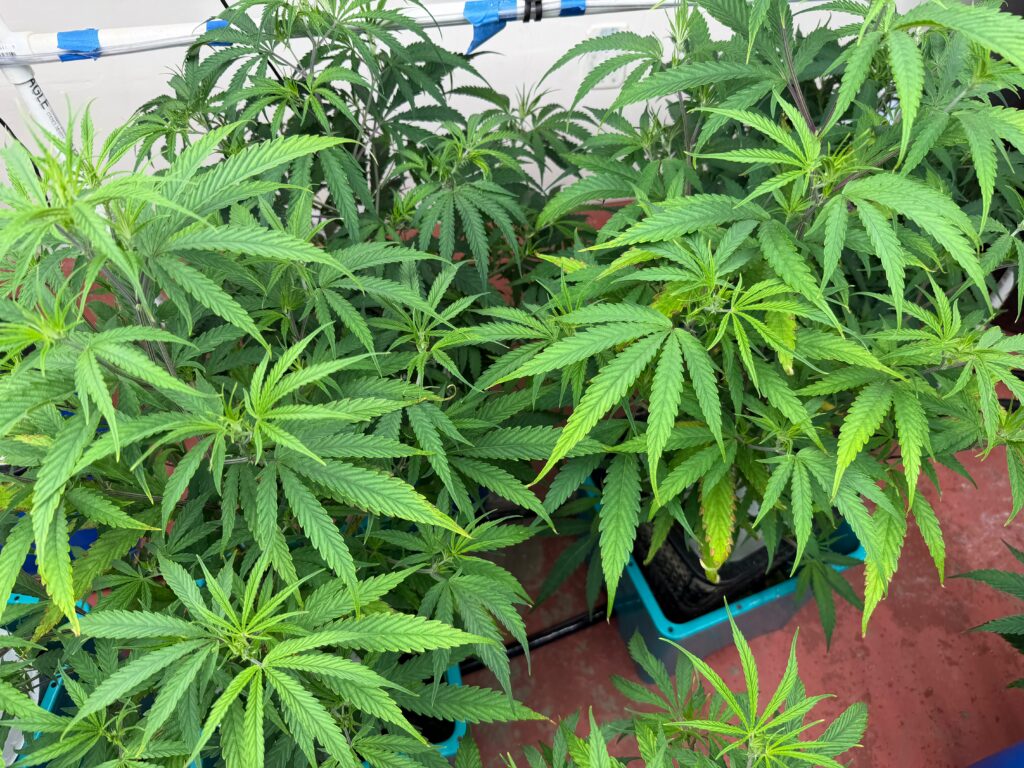

Here’s where the research gets interesting. Cannabis plants contain specialized genes involved in producing cannabinoids, including THC and CBD.
Scientists investigated how these cannabinoid producing genes developed over millions of years. Their findings suggest that ancient gene duplication and later genetic changes helped create the specialized enzymes involved in cannabinoid production.
The researchers also found evidence of an ancient genome triplication event shared with many other flowering plants, rather than an additional whole genome duplication unique to cannabis. They compared cannabis DNA with that of hops, a related plant used in beer production, to better understand how these genes evolved.
The result is a clearer picture of why cannabis developed its distinctive cannabinoid-producing abilities.
Could This Mean Better Cannabis Seeds?
We Always Watch the Seeds

More complete DNA maps could help scientists identify genetic markers associated with desirable plant characteristics.
For example, breeders may eventually be better able to select plants with particular cannabinoid profiles, flowering times, growth patterns, or disease-resistance traits. That could help make future breeding more precise. Imagine buying cannabis seeds with greater confidence about the plants they will produce. However, the new research does not prove that today’s commercial seeds are more consistent or that growers will automatically produce larger harvests.
Breeders still need to grow plants, test their characteristics, and confirm that desirable traits are reliably passed to future generations.
What Does This Have to Do With THC and CBD?
Make the Piles Larger

Here’s where the research gets interesting. Cannabis plants contain specialized genes involved in producing cannabinoids, including THC and CBD.
Scientists investigated how these cannabinoid producing genes developed over millions of years. Their findings suggest that ancient gene duplication and later genetic changes helped create the specialized enzymes involved in cannabinoid production.
The researchers also found evidence of an ancient genome triplication event shared with many other flowering plants, rather than an additional whole genome duplication unique to cannabis. They compared cannabis DNA with that of hops, a related plant used in beer production, to better understand how these genes evolved.
The result is a clearer picture of why cannabis developed its distinctive cannabinoid-producing abilities.
Could This Mean Better Cannabis Seeds?
Better Seeds Should be the Goal
Potentially!
More complete DNA maps could help scientists identify genetic markers associated with desirable plant characteristics.
For example, breeders may eventually be better able to select plants with particular cannabinoid profiles, flowering times, growth patterns, or disease resistance traits. That could help make future breeding more precise.
Imagine buying cannabis seeds with greater confidence about the plants they will produce. However, the new research does not prove that today’s commercial seeds are more consistent or that growers will automatically produce larger harvests. Breeders still need to grow plants, test their characteristics, and confirm that desirable traits are reliably passed to future generations.
Better Genetics Could Mean Better Growing
The October 2026 study is an important step forward for cannabis science. Researchers have created two highly detailed, gap free genetic maps and uncovered new information about the evolution of THC and CBD producing genes.
The discovery won’t make your next harvest bigger overnight. But it could help scientists and breeders better understand what makes one cannabis plant different from another. And that knowledge may eventually lead to more reliable seeds, improved breeding, and better cannabis varieties.
Better DNA research today could mean better a stronger grow tomorrow. Keep it an EZ grow here.