

Massachusetts residents who grow their own marijuana, the defeat of Question 8 preserved their legal right to cultivate cannabis at home. The November 3, 2026 election had a particularly important consequence for this group of people.
This goes beyond protecting recreational dispensaries. The proposed law would have repealed Massachusetts General Laws Chapter 94G, including the statutory provision authorizing recreational home cultivation. Without that provision, ordinary adult use home growing would no longer have been protected beginning January 1, 2028.
What Home Growers Retained
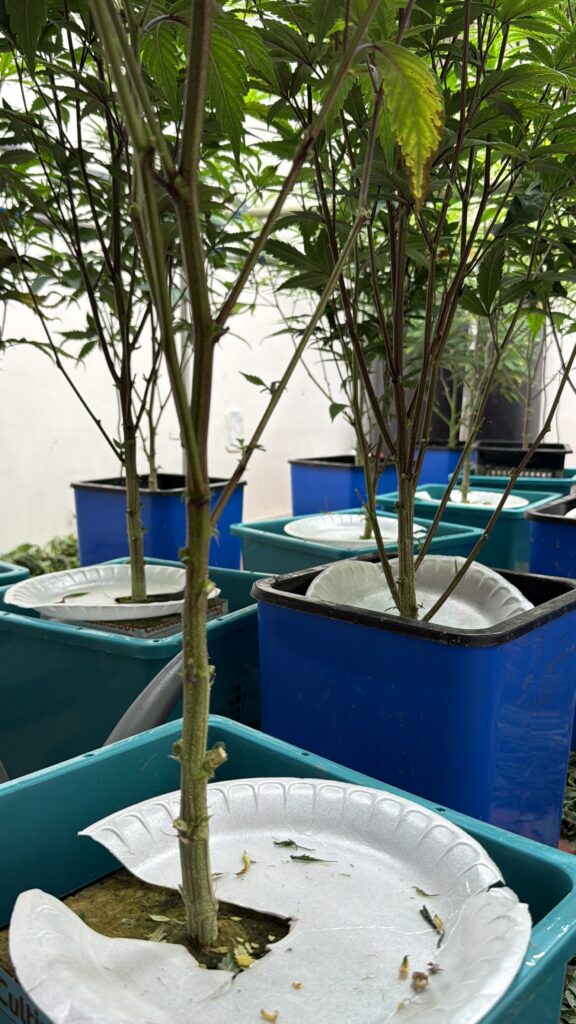
Existing Massachusetts home cultivation limits which are 6 plants and a maximum per adult age 21 or older. They also kept 12 plants maximum per residence, regardless of the number of adults.
Residents also keep the right to possess up to 10 ounces of cannabis in the primary residence, plus marijuana produced by plants legally cultivated there, subject to statutory conditions.
Home cultivation remains subject to security and visibility requirements. The election did not increase plant limits or eliminate existing regulations. Preliminary election results show approximately 76% of voters rejecting Question 8. That means the preexisting home grow
This matters scientifically because home cultivation is distinct from commercial legalization. Growing cannabis at home involves questions about consumer costs, plant genetics, cultivation methods, personal autonomy, product safety, and the relationship between homegrown cannabis and commercial or illicit markets.
Legal Protection influences who grows cannabis
A particularly relevant study is Cultivating Choice: Determinants of Home Cannabis Growing Among Legal Users in the United States, published in Sociological Inquiry in 2025. Researchers Nicholas Athey and Michelle Newhart analyzed survey responses from 4,823 cannabis consumers living in states with legal cannabis.
Their findings are revealing that state home cultivation laws were associated with decisions about growing cannabis. Personal identity and involvement in cannabis culture were stronger predictors of home growing than purely practical considerations. Lastly, financial and personal needs also played a role, but no single motivation explained home cultivation.
Conclusion
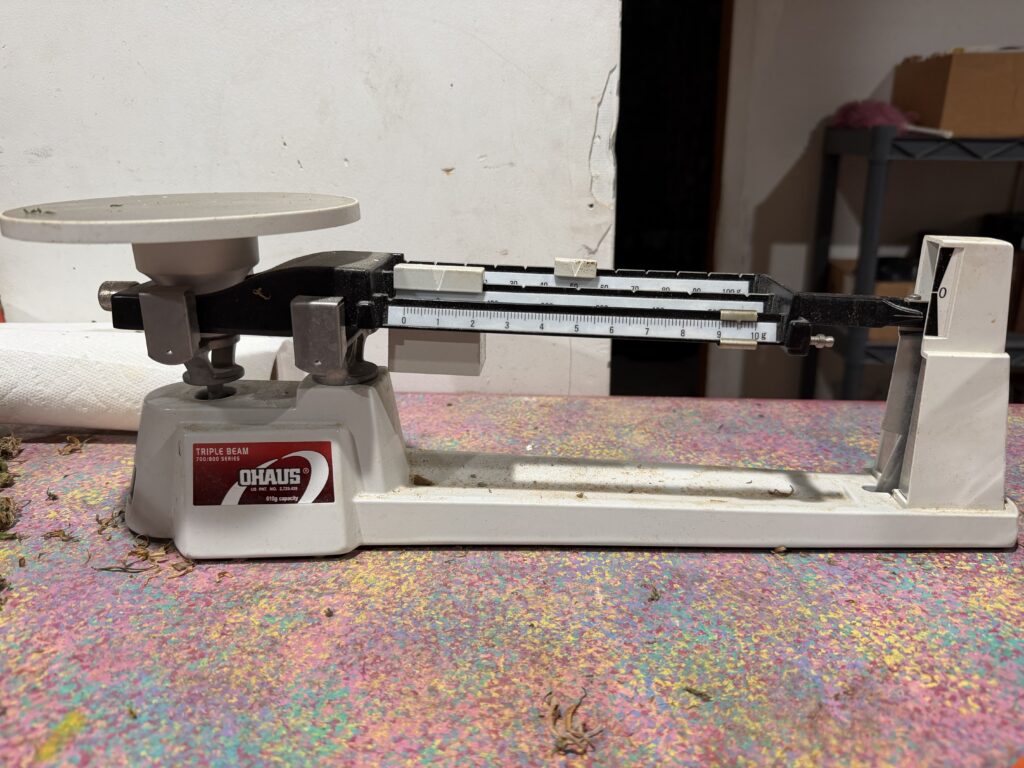
Get to use the Right Scale
In conclusion, protecting home cultivation preserves an activity that some consumers regard as more than simply another way to obtain marijuana. For these individuals, growing their own plants can be a personally meaningful choice. Medical marijuana and cannabis can be much easier when it’s at someone’s fingertips vs. down the highway at a dispensary.
