
Taking Away The Elements

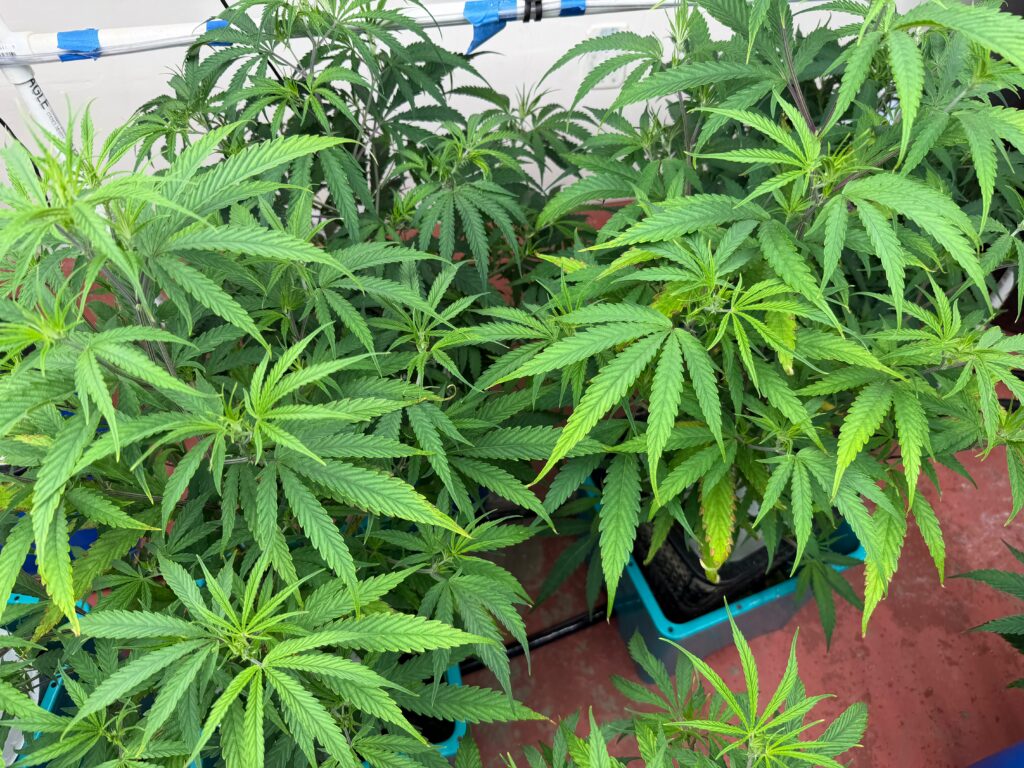
When growing cannabis indoors the grower gets something outdoor growers and cultivation cannot provide, control. Outdoor growers have to depend on sunlight, rain, seasonal temperatures, and changing weather. Indoor growers create an artificial environment designed around the cannabis plant. Light, temperature, humidity, airflow, water, and nutrients can all be managed throughout the growing cycle.
That control is the biggest advantage of indoor cultivation, but it also makes indoor growing one of the more complicated and expensive methods.
Bringing the Sun Indoors
Indoor plants usually receive little or no natural sunlight, so artificial lighting becomes one of the most important parts of the grow.
Modern indoor facilities commonly use LED grow lights, although high pressure sodium (HPS) lights have traditionally been widely used. A 2025 cannabis study comparing lighting systems found that LED treatments could produce cannabis more efficiently in terms of electricity use, demonstrating why LEDs have become increasingly important in controlled environment cultivation. Something to point out right away, LED toplighting produced more yield per kilowatt hour than HPS. The combination of LED toplighting plus LED interlighting produced the highest THC power use efficiency. This would be about 29% higher than the HPS toplight control.
Light does more than keep a cannabis plant alive. Its intensity, spectrum, and daily duration can influence many things during a growth. This includes plant growth, flowering, biomass, and cannabinoid production. A 2025 scientific review identified light, temperature, humidity, and photoperiod as major environmental factors influencing cannabis development.
Controlling the Environment
It’s Under Your Control

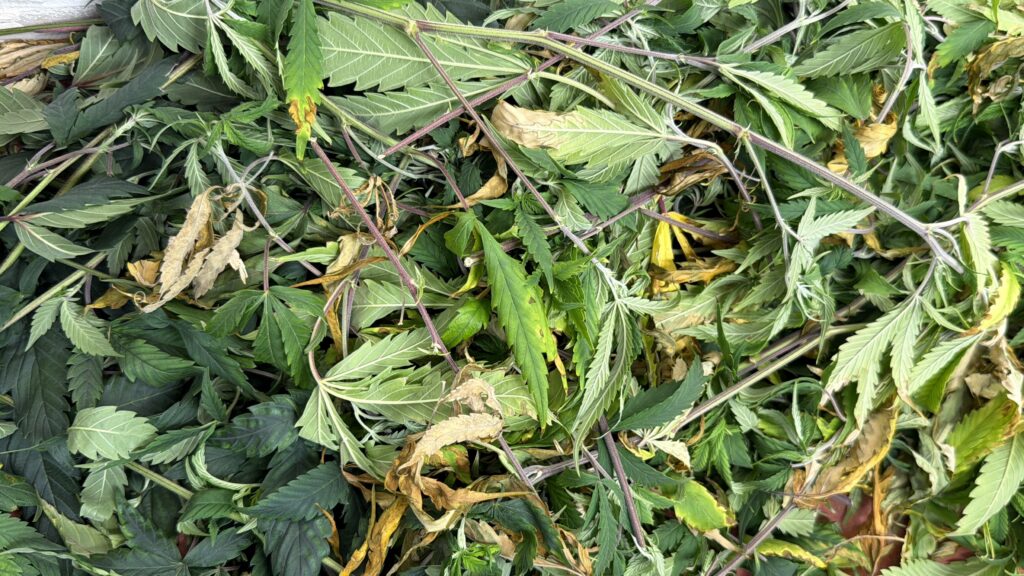
Indoor growers also need to manage temperature and humidity. Plants release moisture into the air, while powerful lights and equipment produce heat. As a result, indoor grow spaces commonly use fans, ventilation, air conditioning, and dehumidification.
That environmental control can help protect plants from extreme weather and provide more consistent growing conditions. Indoor cultivation can also reduce exposure to certain outdoor pests, storms, drought, and temperature swings. Researchers note that controlled indoor environments can offer year round production and more consistent crop conditions.
Soil or Hydroponics?
Which One Will You Choose?
Growing indoors does not automatically mean growing hydroponically.
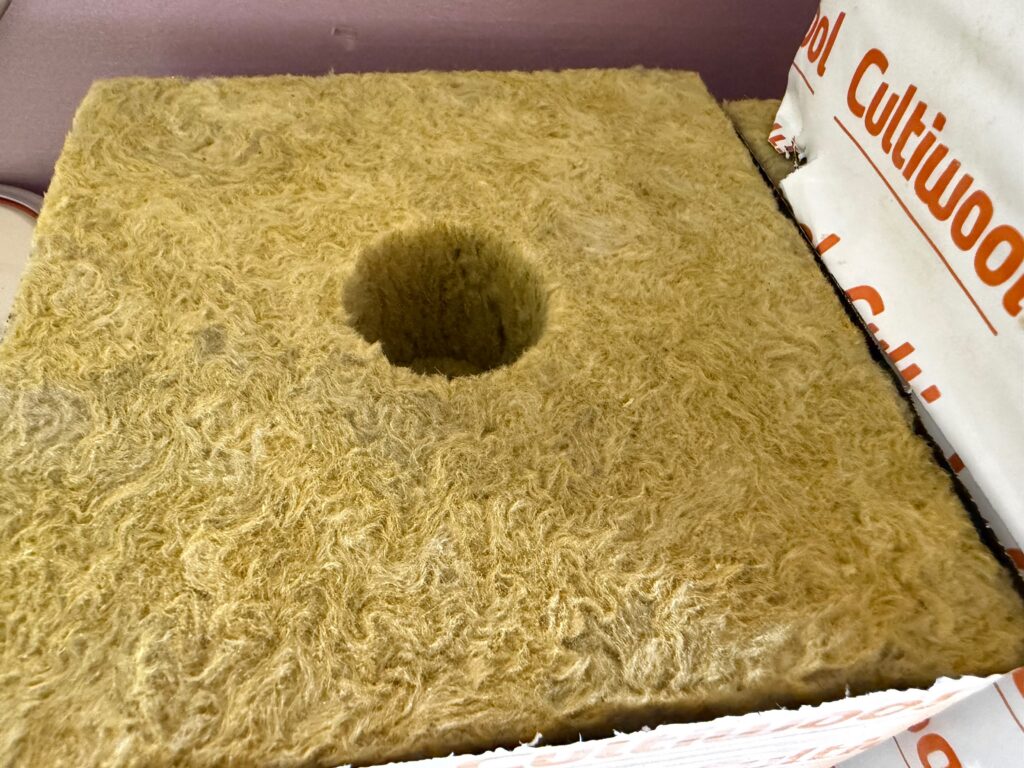
Indoor cannabis can be grown in soil, living soil, coco coir, or hydroponic systems. The location and the root growing method are two separate decisions. Read our article about these different methods here! (LINK ARTICLE)
A grower might therefore have an indoor soil garden or a completely soilless indoor hydroponic setup.
The Cost of Control

The major disadvantage of indoor cultivation is energy use.
Lighting, cooling, ventilation, heating, and dehumidification all require electricity. A large 2025 analysis of controlled environment agriculture identified cannabis as an especially energy intensive indoor crop, with climate and geographic conditions greatly affecting how much energy a facility requires.
A separate 2025 life cycle study concluded that indoor cultivation accounts for a substantial portion of cannabis-production greenhouse-gas emissions. This assessment found that indoor cannabis cultivation accounts for the vast majority of the industry’s greenhouse gas emissions, largely because of the electricity required for lighting, cooling, ventilation, and other environmental controls.
Is Indoor Growing Better?
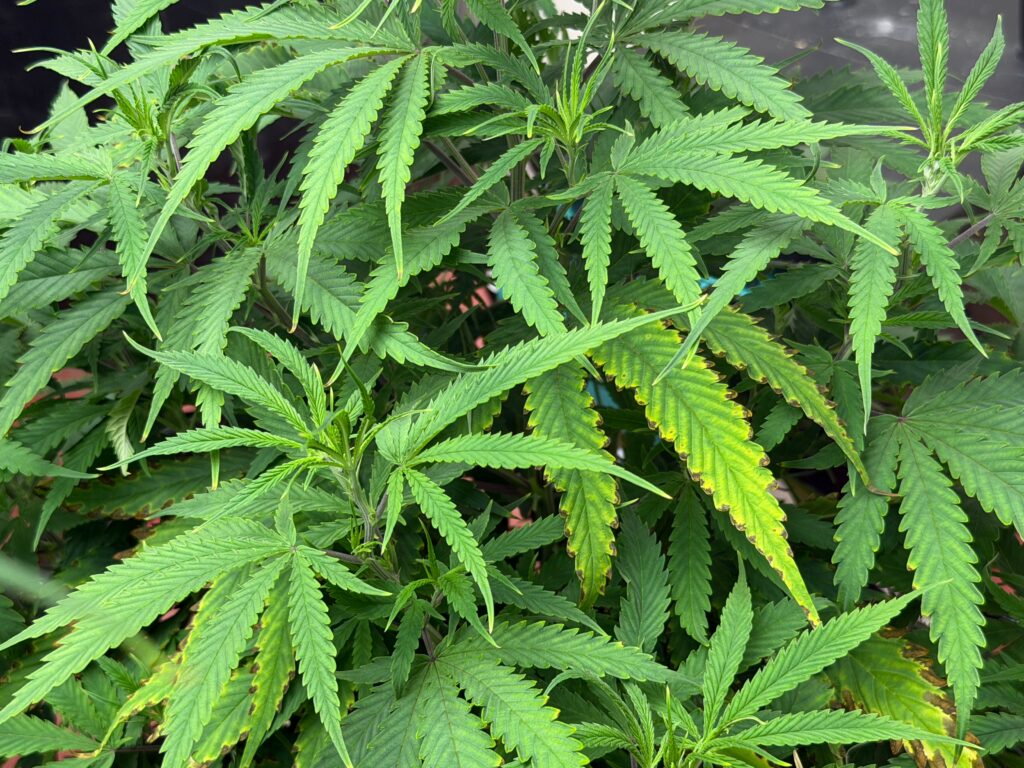
Indoor growing is different from outdoor growing. But one is not better than the other.
Different Means Different
Outdoor growing offers free sunlight and lower energy use. Greenhouses combine sunlight with environmental control. If you need a refresher on “greenhouse growing”, feel free to read our article here! (LINK ARTICLE) Indoor growing goes furthest by allowing growers to create and manage nearly the entire growing environment. That control can produce consistent crops throughout the year, but it comes with more equipment, greater energy consumption, and more responsibility. Indoor cannabis growing is essentially about replacing Mother Nature with technology and gaining control in exchange for cost and complexity. Start your indoor grow now!