
Let’s Make Sure You Know What To Choose

When cannabis is grown outdoors, the sun takes care of the lighting. But, when you move the plant indoors, the grower has to replace that sunlight with artificial light. Some people then want to know what kind of light should substitute for the sunlight.
Cannabis growers have several choices. We will be discussing five different choices. These choices include LED, high pressure sodium, metal halide, ceramic metal halide, and fluorescent lighting. Each system produces light differently and comes with its own advantages and disadvantages.
LED Lighting: The Modern All-Around Choice
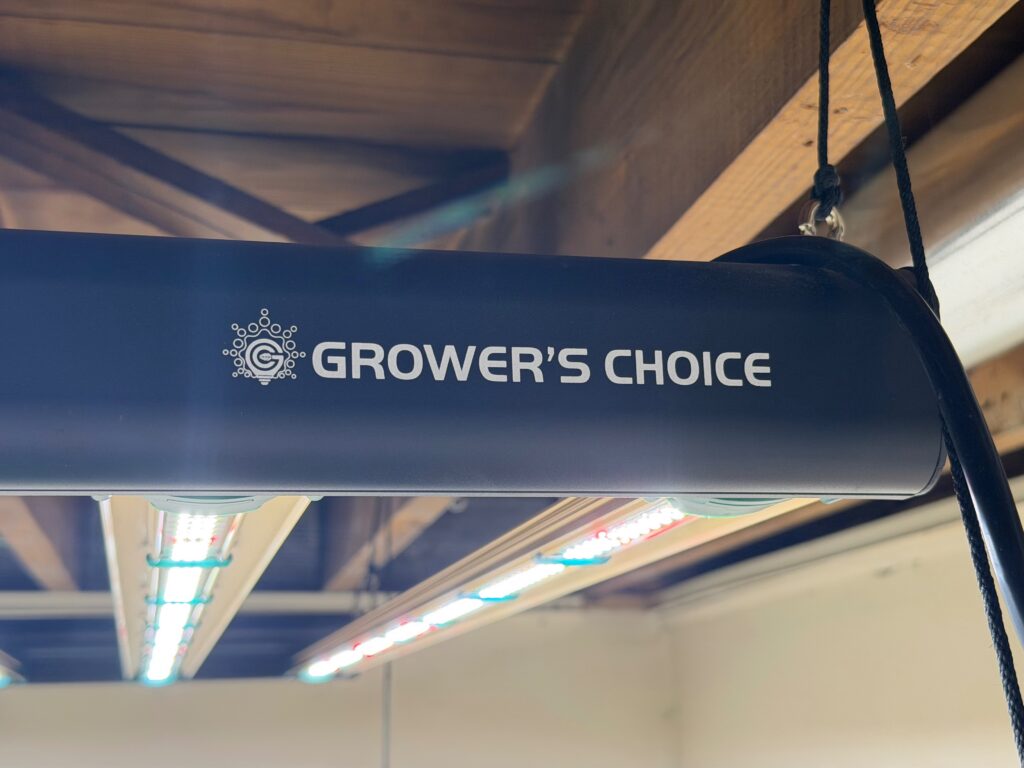
LED stands for light emitting diode. Modern horticultural LEDs can provide a broad spectrum of light that plants can use throughout their development. Their biggest advantages are energy efficiency, long life, and relatively low heat production.
Instead of using large amounts of electricity to heat a bulb or excite gases, LEDs use semiconductor technology to convert electricity directly into light. Modern grow LEDs can also direct that light toward the plants and produce wavelengths useful for photosynthesis. The result is more usable plant light for every watt of electricity consumed, less wasted heat, and often a smaller cooling bill.
Many modern fixtures are marketed as full spectrum LED lights. This means they provide a mixture of wavelengths intended to support plant growth rather than relying heavily on one portion of the visible spectrum. LEDs usually cost more initially than basic fluorescent fixtures, but lower electricity use and long fixture life can help offset that expense. For many home growers, LEDs offer the simplest combination of performance, efficiency, and heat management.
LEDs do not necessarily produce more cannabis simply because they are LEDs. Their major advantage is electrical efficiency. In a 2021 Utah State University study, the most efficient LED fixture produced slightly less flower per square foot than HPS, but produced 27% more flower for every dollar spent on electricity.
HPS: The Traditional Flowering Workhorse

HPS stands for high pressure sodium. HPS lamps were a standard choice for indoor and greenhouse cannabis cultivation. They produce intense light with a spectrum weighted heavily toward yellow, orange, and red wavelengths.
HPS became particularly associated with the flowering stage of cannabis. It can illuminate relatively large areas and remains capable of supporting substantial plant growth. The trade off is heat and electricity consumption.
High pressure sodium lamps produce intense light that is heavily weighted toward yellow, orange, and red wavelengths. For decades, indoor growers paired blue rich, metal halide lamps with vegetative growth. Then switched to red rich, HPS lamps during flowering. HPS proved capable of producing substantial flower biomass, which helped cement its reputation as a “flowering light.” However, the change in light spectrum itself does not trigger flowering in photoperiod cannabis. The primary trigger is the plant’s response to changes in day and night length.
HPS lamps generate substantially more heat than LEDs, which can make ventilation and temperature management more difficult. Modern research has also found that efficient LEDs can produce more plant material per dollar of electricity even when HPS performs well biologically.
MH: The Traditional Vegetative Light
Change The Lighting As Needed
MH stands for metal halide. Metal halide lamps are another form of high intensity discharge lighting. Their spectrum contains more blue light than traditional HPS lamps, which is why growers historically associated MH lighting with vegetative growth.
A traditional indoor setup might therefore use MH while plants were developing leaves and branches and switch to HPS when flowering began.
The downside is similar to HPS, meaning, metal halide systems consume considerable electricity and generate heat. Full spectrum LEDs have made switching between separate MH and HPS fixtures much less necessary for many small growers.
CMH or LEC: A Broader-Spectrum HID Option
CMH means ceramic metal halide, sometimes marketed as LEC, or light emitting ceramic. CMH is related to traditional metal halide technology but produces a broader, more sun-like spectrum. Researchers have used ceramic metal halide fixtures in cannabis experiments comparing how different spectra influence cannabinoids and terpenes.
CMH systems can provide excellent light quality, but they still produce more heat and generally offer less electrical efficiency than modern high-quality LEDs. They occupy something of a middle ground between traditional HID technology and newer LED systems.
Fluorescent and T5: Useful for Small Plants
Learn As You Read and Grow
Fluorescent lighting, including T5 fluorescent fixtures, produces relatively gentle light and has traditionally been used for seedlings, clones, and young plants.
Young cannabis plants do not require the intense lighting needed by mature flowering plants. T5 fluorescent fixtures became popular because they produce broad, relatively gentle light with little heat, making them well suited to seedlings and newly rooted cuttings. Their lower intensity helps young plants establish themselves without unnecessary heat stress. Today, however, efficient dimmable LEDs can perform much the same job while using less electricity. T5 fixtures are increasingly becoming an older, but still useful propagation technology.
Fluorescent fixtures are inexpensive and produce less intense heat than traditional HID lamps. However, they are generally less energy efficient than LEDs and provide less intense light for large plants that makes fluorescent lighting more suitable for propagation and small plants than for an entire indoor cannabis grow.
Which Light Is Best?
There is no single light fixture that guarantees better cannabis. All of the different fixtures have their place in a person’s home grow. And the lights are only one part of the entire grow kit.
Light intensity, spectrum, efficiency, coverage, genetics, plant health, and the overall growing environment all matter. Cannabis research has demonstrated that lighting can influence plant growth and secondary compounds, but responses can also differ between cultivars.
For most beginners, however, a quality full spectrum LED is the easiest place to start. It eliminates much of the heat associated with older HID systems, uses electricity efficiently, and can provide suitable light throughout the plant’s life cycle. When starting your own grow choose a lighting system based on efficiency, coverage, heat, quality, and the growing space you actually have. Start your grow yourself here!
