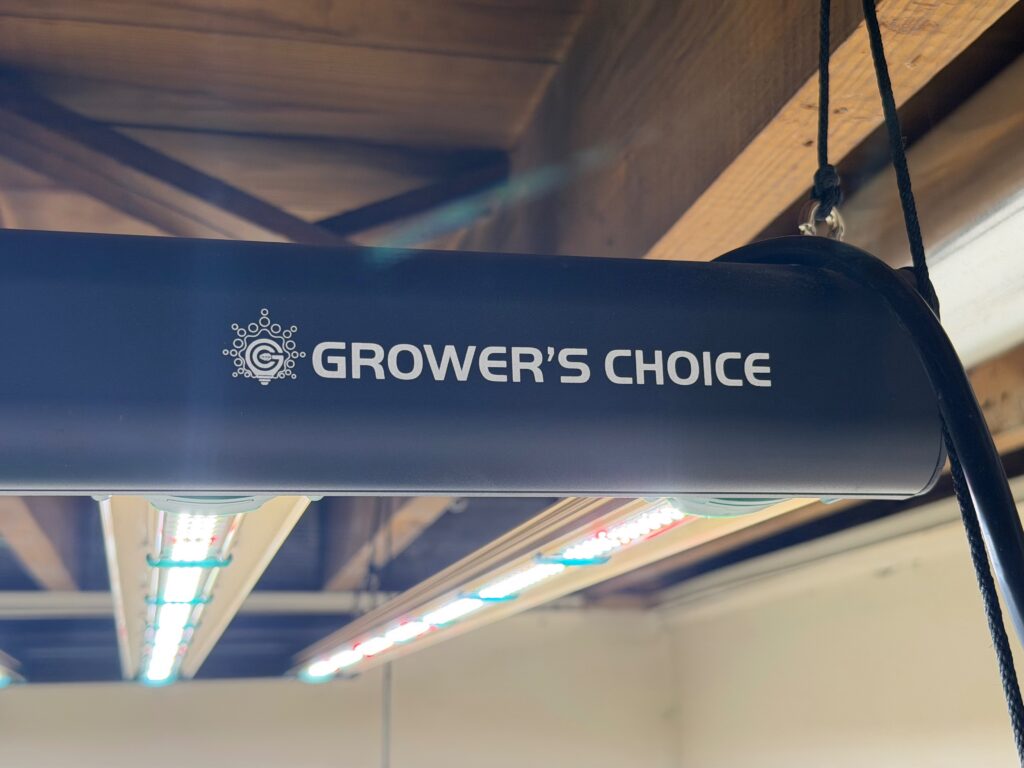
Which Type of Tent Would You Choose
Can a simple grow tent help medical cannabis patients cultivate healthier plants, improve cannabinoid production, and control growing conditions? Scientific research from the United States, Canada, Europe, and elsewhere offers some intriguing answers.
For medical cannabis patients interested in growing their own medicine, a grow tent offers a practical way to create a controlled cultivation environment without building an entire grow room. These portable enclosures typically contain reflective interior walls and openings for lights, fans, and ventilation equipment.
But does a grow tent actually produce better cannabis?
Scientific research demonstrates that environmental conditions influence cannabis growth, cannabinoid production, and flower quality. However, most studies examine controlled-environment cultivation rather than comparing consumer grow tents directly with traditional indoor growing methods.
Why controlling the environment matters
A 2023 study by Fleming and colleagues examined controlled environments used for cannabis research and production.
The researchers emphasized that consistent lighting, irrigation, environmental management, and pest control help produce reliable plant material for genetic and biochemical studies. A grow tent provides a smaller enclosure in which growers can manage many of these variables. However, its effectiveness depends on the equipment installed and the surrounding conditions.
LED lighting: Does more light mean more cannabinoids?

One of the strongest areas of cannabis cultivation research concerns artificial lighting.
A 2024 study published in the Journal of Applied Research on Medicinal and Aromatic Plants evaluated medicinal cannabis grown under three LED light intensities of 600, 800, and 1,000 µmol/m²/s. Researchers discovered that increasing light intensity improved flower production and increased the yield of cannabinoids and terpenoids in the cultivar studied.
Canadian scientists reported similar findings in 2022. Greater light intensity improved cannabis yields, but additional ultraviolet radiation did not increase flower production or cannabinoid content under the tested conditions. These findings challenge the assumption that expensive ultraviolet lighting automatically produces stronger medical cannabis.
Does LED color change the plant?
Will Flower Stay the Same
A November 2025 study published in Industrial Crops and Products examined LED light spectra and defoliation practices in two low THC cannabis cultivars. Researchers discovered that red and white lighting encouraged taller plants, while blue white lighting produced more compact plants with higher cannabinoid concentrations but lower flower biomass.
A combined blue, red, and white spectrum provided a useful balance between plant structure and cannabinoid yield.
The results suggest that light spectrum matters in limited growing spaces, although different cannabis cultivars can respond differently. There is no single perfect lighting spectrum for every grow tent. This is the reason attention needs to stick throughout the grow.
Ventilation, humidity, and preventing mold

Cannabis plants release moisture through transpiration. Inside a poorly ventilated tent, humidity can accumulate, creating conditions favorable to certain fungal diseases.
A 2024 scientific review, Integrated Management of Pathogens and Microbes in Cannabis sativa L. under Greenhouse Conditions, emphasized the importance of managing temperature, humidity, and environmental conditions to reduce plant disease.
For grow tent owners, ventilation, air circulation, and humidity monitoring are essential considerations. Excessive moisture can encourage fungal growth, while excessively dry conditions can interfere with normal plant development. The objective is maintaining appropriate conditions throughout the growing cycle. Pay attention!
University of Connecticut researchers tested actual grow tents
One particularly relevant study was published on October 8, 2025, by researchers at the University of Connecticut.
The scientists used two 5ft by 5ft grow tents with full spectrum LED lighting to compare conventional vegetative lighting with an alternative schedule designed to reduce electricity consumption.
The conventional lighting created 1.3Kg flower biomass per tent. The alternative schedule reduced vegetative lighting electricity consumption by approximately 28%, but flower biomass decreased by approximately 22%. The flower biomass per tent produced 1Kg. Cannabinoid concentrations remained similar between treatments.
The research demonstrates that reducing electricity consumption does not necessarily improve overall cultivation efficiency. Less light can produce less harvested cannabis.
Are Grow Tents Environmentally Friendly?
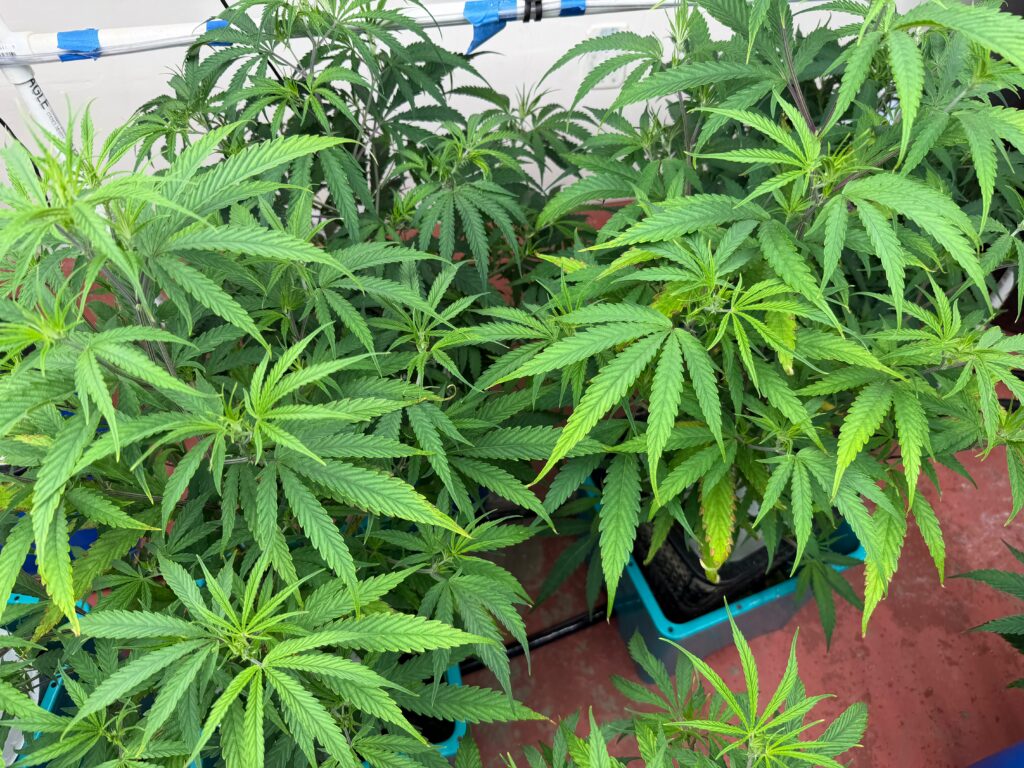
Make Your Flower Where You Want
Energy consumption is a major disadvantage of indoor cannabis cultivation.
A 2025 life cycle assessment published in One Earth identified substantial energy requirements and carbon emissions associated with cannabis cultivation, particularly energy-intensive indoor facilities.
A small grow tent may consume less total electricity than a commercial grow room simply because it is smaller. However, that does not establish greater energy efficiency per gram of cannabis produced.
Efficient LED lighting, appropriate ventilation, and avoiding unnecessary heating or cooling can help manage electricity consumption.
Does homegrown cannabis mean safer medicine?

A clean-looking cannabis flower is not necessarily medically safe.
A 2023 international review identified potentially harmful fungi associated with cannabis, including Aspergillus, Penicillium, and Fusarium.
A 2026 review in Clinical Infectious Diseases examined cannabis-associated infections and inconsistent microbial testing standards. Serious infections have been reported, although the precise degree of risk remains uncertain.
This research is especially relevant for medical cannabis patients with weakened immune systems. Growing cannabis at home does not replace laboratory testing for microbial contaminants, pesticides, or heavy metals.
What does science ultimately tell us?
Scientific evidence supports the importance of controlling lighting, temperature, humidity, airflow, and plant health when cultivating medical cannabis.
Grow tents offer a practical way to manage those factors inside a smaller enclosure.
However, comparative studies have not established that consumer grow tents consistently produce medically superior cannabis compared with properly managed indoor rooms or greenhouses.
The tent itself isn’t magic. The science is in the environment created inside it.
Illinois Medical Cannabis Cultivation Law
Under Illinois law, eligible registered medical cannabis patients who meet the statutory requirements may cultivate up to five cannabis plants more than five inches tall per household. To find out if you are eligible, you can go to the IDPH website. Cannabis must be cultivated in an enclosed, locked space, with additional residential-property and security restrictions. A grow tent alone should not be assumed to satisfy those requirements. Here is where they can help you satisfy requirements in your grow tent.